COPYWRITER
Sensitive Skincare, Unpacked
The best of the basics to calm, cool and care for sensitive skin.
Written by Caitlin Mahut
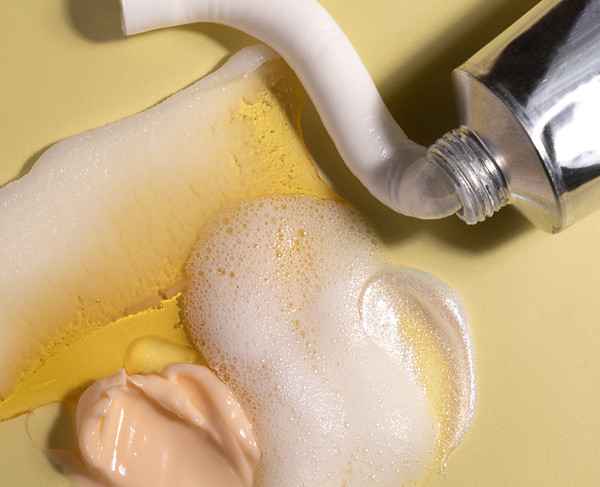
Sensitive skin is flaring up everywhere lately. From rosacea having her time in the limelight, to dermatitis coming in hot on the trail, sensitivity is having a moment; stinging, burning and all. A whopping 71% of adults worldwide report having some degree of sensitive skin, a not-so-insignificant increase of 50% over the last 20 years.
So what’s a girl (or boy) to do? Let’s dive deep into why skin woes happen, best practices, and the top products to soothe, smooth and calm those patches of pain.
Why Does Sensitive Skin Happen? (And Why It's On The Rise)
First things first: how is sensitive skin defined? It’s characterized by symptoms like tingling, redness, itching, burning and more—the list goes on, but generally any discomfort from mild to severe fits the bill. Sensitivity can be triggered by things like laundry detergent, perfumes, makeup, skincare, and even the sun.
The exact cause of sensitive skin isn’t fully understood, but research suggests it happens when the stratum corneum (the outer layer of your skin, also referred to as the skin barrier) becomes compromised and thins out. This barrier is your skin’s first line of defence against environmental stressors and pathogens, and when thinned out and exposed, the deeper layers of the skin can become irritated. Protecting and strengthening the barrier is one of the best things to focus on when it comes to dialling down reactions and making skin feel and look good (more on that in the next section).
Our collective skin sensitivity seems to be on the rise for a number of reasons. Environmental pollution, poor lifestyle habits, over-sanitization, indoor living, and the overuse of active skincare, like exfoliants, all contribute to this delicate matter.
Let’s hop into the five basic tips to follow when dealing with or preventing irritated skin.
Hydrate, Hydrate, Hydrate!
Supporting your skin barrier through hydration is key to keeping out those pesky irritants. Dried-out skin is more vulnerable to breakdown, allowing inflammation to flourish. To ensure proper hydration, look for products that include super-hydrating ingredients like ceramides, hyaluronic acid, glycerin, and squalane, all of which help to quench and repair the skin barrier. Favourite moisturizing products among the skin-sensitive include SkinFix Triple Lipid-Peptide Cream, Cerave Barrier-Restoring Moisturizing Cream, and Aveeno Calm + Restore Age Renewal Cream.
A Slippery Slope To Sensitive Skin: Over-Exfoliation
Buckle up: this section is a long one, because the importance of understanding exfoliation for sensitive skin cannot be understated.
Exfoliation is an important step for healthy-looking skin, but practicing restraint makes all the difference for avoiding irritation. The glowy skin trend has been gaining momentum for years, with exfoliation taking centre stage as the first step to achieving the look. In pursuit of this coveted glow, it can be all too easy to get over-zealous with scrubs, peels and acids. For those with sensitivities, this can lead to tender, inflamed skin. Not the ideal look when chasing luminance.
To avoid this pitfall, opt for milder exfoliation less often. Chemical exfoliants beat physical exfoliants for sensitive skin, especially for the face. Physical exfoliants, which mechanically buff away dead cells using abrasion, can cause microtears in the skin barrier, creating a higher risk of irritation, redness, and infection. Chemical exfoliants work their magic by gently dissolving and shedding dead skin cells, revealing the new skin underneath. They also act on a deeper level than physical exfoliants, which can provide better results.
Focus on powerhouse ingredients like Alpha Hydroxy Acids (AHAs) in the form of lactic acid and Polyhydroxy Acids (PHAs) as lactobionic acid for a gentle but effective chemical exfoliation that’ll leave skin smooth and supple. Formulas like these Facial Radiance Pads by First Aid Beauty and COSRX’s Low pH Good Night Soft Peeling Gel, are loved by those with sensitive skin and are dermatologist-recommended. Try to avoid high percentage acids of 10% or above, but if a more intense treatment is calling to you, make sure to proceed with caution.
As always with reactive skin, start slow and go low. Do a test patch on your arm or face and increase as tolerated. For best practice, only exfoliate 1-2 times per week, and make sure to follow up with a hydrating and nourishing serum and moisturizer to protect the skin.
What If I Love Physical Exfoliation?
If you can’t bear to part with a good scrub, try out Dermalogica’s Daily Microfoliant Powder. It’s the best of both worlds, with a physical exfoliant in the form of soft colloidal oatmeal and gentle chemical exfoliants like papain enzymes, salicylic acid, and rice-derived phytic acid to melt away dry patches and help with uneven skin tone.
Soothe And Smooth
Settle your skin with products and ingredients designed to calm and cool. There’s nothing worse than red, itching skin right before a big meeting or date. For moments of distress, reach for formulas with soothing ingredients like colloidal oatmeal, panthenol (Vitamin B5), cica and chamomile extract. These provide anti-inflammatory properties, helping reduce visible irritation and discomfort. For fragile, reactive, or post-procedure skin, try La Roche Posay Cicaplast Gel B5, co-developed by dermatologists and surgeons. When you need whole body care, use Aveeno’s Soothing Bath Treatment with colloidal oatmeal (you can even add chamomile tea bags to amplify the impact).
Fragrance, Be Gone!
If you love a fresh scent, it’s time to swap it out for other options, sans parfum. Added fragrances in skincare could be the culprit of any burning, stinging or redness you get throughout the day. Try out some odourlous options from skincare brands like Cerave, First Aid Beauty, Paula’s Choice and Skin Fix. All of these brands focus on creating fragrance-free formulations that ease sensitive skin.
Simple Is Safer
We’ve all heard the age-old adage, less is more. And in this case, it’s right on the money. Sensitive skin hates company; that is, too much all at once. Trying to fix your skin with more products and strategies isn’t the best way to a radiant complexion. Try to stick to a simplified skincare routine to keep reactions at bay. All that’s needed is a cleanser, serum, moisturizer, SPF, and a hydrating oil if you fancy it (all fragrance-free, of course). It's okay to mix different brands, as long as your skin is happy.
TL;DR
Skin sensitivity is caused by a compromised and weak skin barrier and can be triggered by external stressors in our environment. Whether you’re dealing with a run-of-the-mill irritation or more intense forms of sensitivity, remember these five tips.
-
Keep skin topically hydrated with products that repair and protect the skin barrier
-
Chemically exfoliate up to 2 times per week (never more!)
-
Use formulas with soothing ingredients like oatmeal, Vitamin B5, cica and chamomile
-
Ditch the fragrance
-
Simplify your skincare routine with fewer products
A Final Word
Follow these tips for more resilient, clear skin that’ll have you feeling calm and confident inside and out. If sensitivity persists or worsens, always seek out a dermatologist or healthcare professional to help you get to the root of your outbreaks.